
Contents · 5
Loading quality determines how cargo bears forces during later road transport, yard handling, lifting and sea carriage. A closed container door proves only that the cargo was put inside. It does not prove sound weight distribution, resistance to movement, stacking strength of the packaging or convenient unloading in sequence at destination.
The CTU Code, jointly published by the IMO, ILO and UNECE, covers the full chain of cargo transport unit packing and securing and can serve as a practical safety reference. For an ordinary export shipment, turn its principles into three checks: before loading, during loading and after the container is sealed.
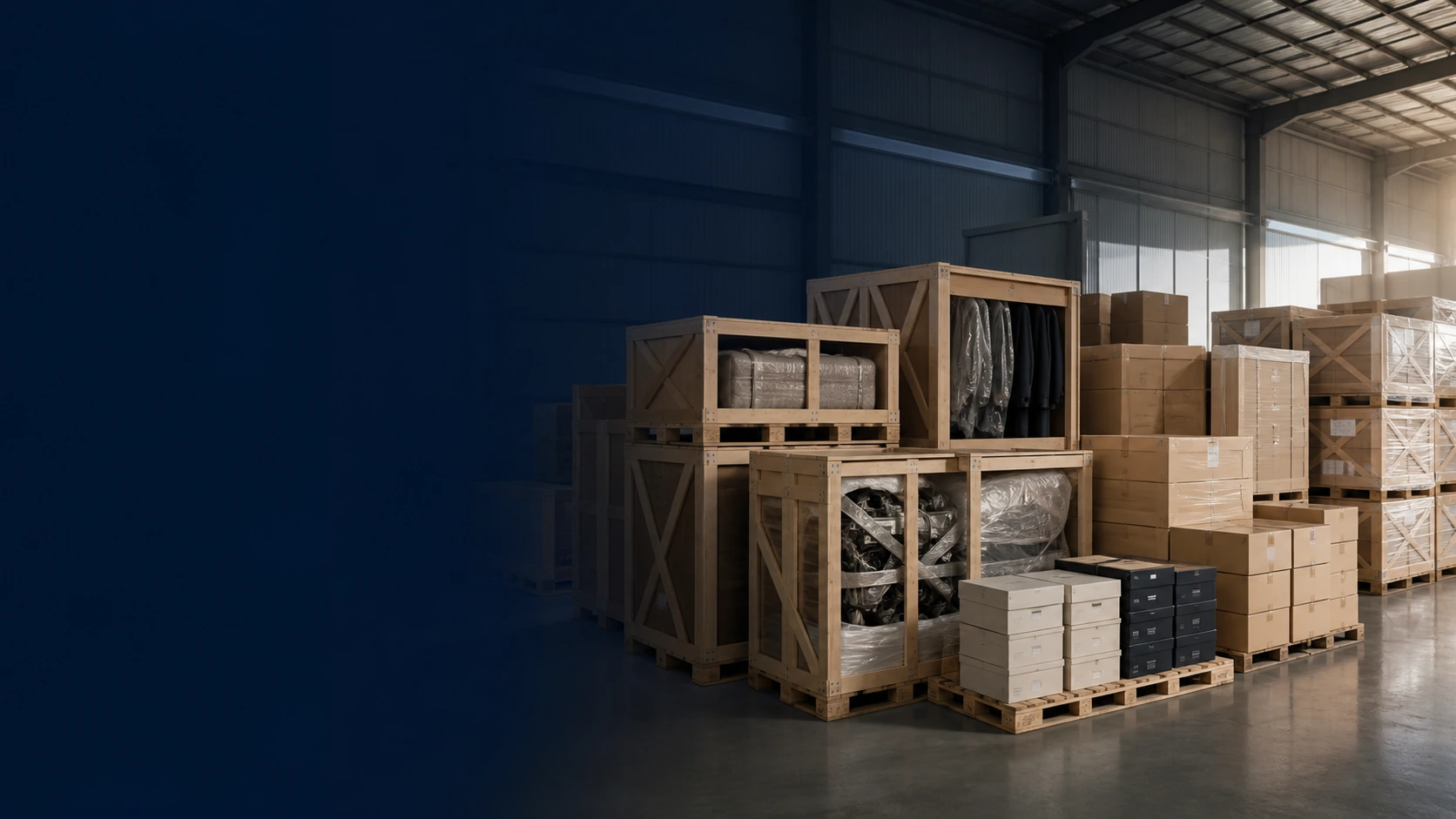
01 | Inspect the Container and Cargo before Bringing in the Forklift
Inspect the empty container for visible damage, holes, signs of water ingress, odour, floor defects and door-seal condition. Check the final cargo piece count, individual weights, dimensions, stackability, centre of gravity, forklift contact points and keep-upright requirements. Check that crates and pallets are structurally suitable for handling.
Do not rely on visual experience to judge overweight, uneven loading or concentrated point loads. For heavy cargo, long pieces or equipment, confirm load-bearing and handling conditions at the planning stage. If cargo data changes, update the loading plan as well.
02 | Control Four Things during Loading
Place heavy cargo first and control left-right and front-back weight distribution; stack according to packaging compression strength; separate cargo that must not touch; and use suitable dunnage, fillers and securing to limit movement forward-backward, side-to-side and vertically. Protect cargo near the doors from falling when the doors are opened.
Moisture protection is not simply a matter of adding more desiccant. Assess cargo moisture, packaging materials, loading conditions, temperature changes and transit duration together. Do not load wet cartons, damp timber or cargo into a container with a wet floor. Select desiccant quantity and placement according to the product instructions and actual conditions.
03 | Make Loading Photos a Continuous Evidence Chain
At a minimum, retain records of the empty container condition, container number and body, first layer of heavy cargo, critical securing points, loading stages, near-full view, full view before closing the doors, seal and the link to the final documents. Photos should answer what cargo was loaded, how it was loaded, when loading was completed and which container was used—not merely show a full container.
Before using photos externally, check whether faces, vehicle identifiers, shipping marks, customer information, screens or documents can be identified. Work evidence describes this operation; it should not be presented as proof of capability on every route, at every warehouse or over the long term.
04 | Complete Four Final Checks before Sealing
First, loaded piece count matches the final list. Second, the cargo does not obstruct the doors and there are measures to prevent it from falling at the doorway. Third, actual weight information and VGM responsibility have been checked. Fourth, seal number, container number, photos and documents are filed under the same shipment record.
Jingyuan organizes loading and information updates based on cargo type and site conditions. Suitability of packaging, accurate cargo characteristics and any specialist securing requirements still need confirmation by the appropriate responsible parties. Heavy, out-of-gauge or special cargo needs a dedicated loading plan; do not apply an ordinary-cargo checklist without adjustment.
Frequently asked questions
Is it better to fill the container as much as possible?
No. Loading ratio remains subject to payload, weight distribution, packaging strength, securing, moisture control and safe unloading.
Is one photo of the full container enough?
No. Keep a continuous record from the empty container through key loading and securing stages to the seal and container number.
Will desiccant alone prevent moisture damage?
It cannot guarantee that. Also control cargo and packaging moisture, loading conditions, temperature changes, container condition and suitable desiccant quantity and placement.
Can an ordinary loading checklist be used for heavy equipment?
Do not apply it as-is. Heavy, out-of-gauge or cargo with an unusual centre of gravity needs a dedicated assessment of load-bearing, handling and securing.