
Contents · 7
Author: Ethan | Review date: October 20, 2026.
This article concerns changes after the original list was confirmed or booking began. It focuses on whether the original sailing and documents can still be used. See the existing articles for consolidation-list preparation and initial document checks.
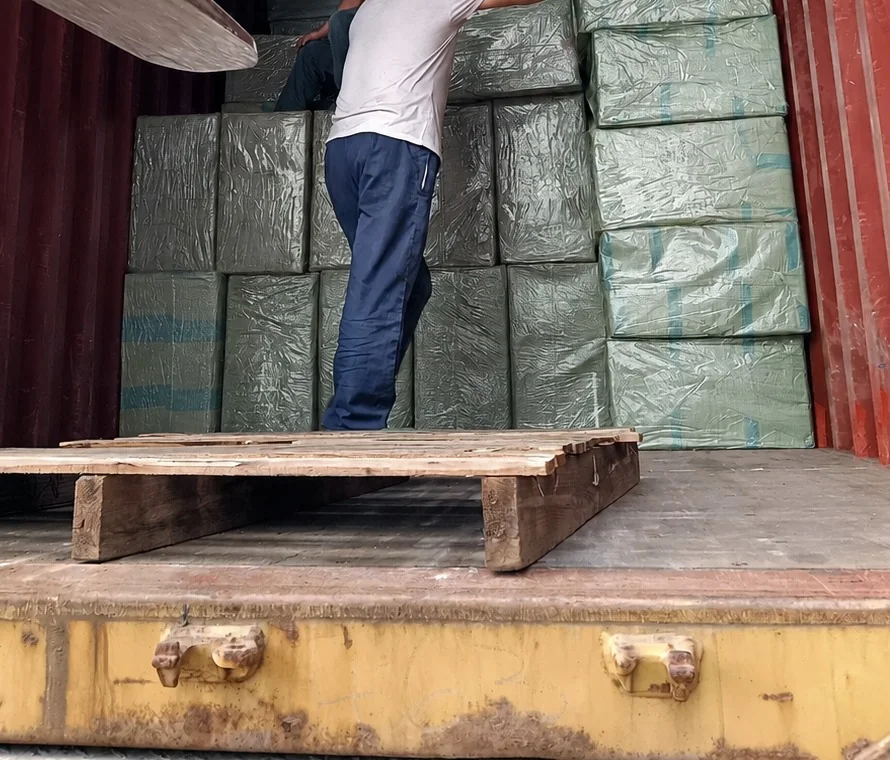
01 | Record the change as a request with clear before-and-after versions
Record the before-and-after SKUs, packages, quantities, packaging, dimensions and weight, special attributes, requester and reason. “Just two more cartons” is not enough: confirm whether they contain batteries, form a set, can be stacked or change the largest individual piece.
Also list completed milestones: customer approval, warehouse receipt, booking, loading plan, export data, bill-of-lading instructions or other declarations. Do not assume that all data can be freely changed just because the vessel has not sailed.
02 | Check the cargo, loading and documents separately
Cargo: confirm added cargo was physically received, removed cargo was segregated, and final packages and packaging are recorded. Loading: recheck space, weight distribution, load support, securing and loading/unloading sequence; removing a heavy piece or adding dunnage can also change the plan.
Documents: have the responsible party identify which invoice, packing list, booking data, export declaration or bill-of-lading details need updating and whether an acceptance milestone has passed. If a change needs approval or incurs a charge, obtain confirmation first; do not assume an amendment will be accepted.
03 | If weight or packing changes, recheck the VGM chain
After a factory adds cargo, changes pallets or adds securing material, do not continue using the old packing-list gross weight or VGM without review. IMO’s public guidance requires verification of the packed container’s gross mass and timely submission by the specified responsible shipper party for stowage planning.
Obtain verified gross mass using an applicable method and confirm who submits it and the deadline. VGM compliance is a condition for loading an applicable container; it does not guarantee loading. Carrier acceptance, stowage and other conditions must also be checked. This article does not set a universal late-submission deadline across terminals.
04 | State the conditions for each of the three decisions
Continue the original plan: the physical cargo, loading plan and affected documents have all been updated, and responsible parties confirm the shipment can still meet this shipment’s milestones. Pause pending confirmation: a key attribute, receipt or document acceptance is unclear; stop the affected portion and do not load using unconfirmed data.
Move it to a later batch: the added cargo cannot meet current prerequisites and the customer agrees it will not ship with this batch; recheck both batch lists, whether the goods still form a complete usable set, and the costs. Whether waiting is worthwhile depends on a missed sailing, storage and the customer’s actual needs, not only the ocean-freight price of a few extra cartons.
05 | Release one complete version, not a chat message
Once confirmed, mark the previous version as superseded and retain the new version, change log and acceptance feedback for affected steps. The warehouse, customer, loading and documentation teams must use the same version. Customer approval does not replace acceptance by the carrier or the party responsible for declarations.
Suggested fields: change ID | old/new version | packages added or removed | final pieces/weight/dimensions | special attributes | loading recheck | documents to amend and acceptance status | milestone impact | additional charges and payer | approver | execution evidence.
Within the shipment instruction, Jingyuan can consolidate change details and coordinate warehouse and transport-data checks. Relevant parties must confirm cargo attributes, commercial facts and authorized declarations. Do not mark a step complete without its acceptance.
Sources and scope
IMO, “Verification of the gross mass of a packed container,” opened October 20, 2026, on imo.org. It is cited for VGM responsibilities, verification methods and loading conditions, not as a fixed terminal cut-off or a complete set of amendment rules.
The remaining change checklist is a practical review method. Whether a booking, cargo, declaration or routing can be amended depends on current requirements from the carrier, terminal and relevant declaration parties for the shipment.
Frequently asked questions
Do documents need updating if a few cartons are removed?
Check affected quantities, weight, description and related documents. A reduction can also change loading and declaration facts.
If the product is unchanged but packaging changes, can we keep the old dimensions?
Do not assume so. Re-measure the packed dimensions and weight, and check whether the quotation, loading plan and documents must also be updated.
If the customer agrees to add cargo, will it definitely catch the original vessel?
No. Check physical receipt, cargo review, loading and acceptance of affected documents by the responsible parties.
Can cargo be added after VGM is submitted?
Do not add cargo while relying on inaccurate old data. Recheck loading, verified mass and acceptance of any new submission before deciding.